How to Start Trading as a Beginner and Build a Strong Foundation
· based on the channel Sierra Aaliyah
Key takeaways
- Starting capital recommendation: $300 to $2,000, no need for $10K+
- Paper trading is essential before risking real money
- Understand calls vs puts and options vs futures early
- Use Webull for brokerage and TradingView for charting
- Master 3 key concepts before trading live to avoid quitting
Trading is an accessible skill anyone can learn with the right approach and mindset. To start trading as a beginner, focus on building foundational knowledge, managing risk, and practicing with simulated trades before investing real money. Sierra Aaliyah, a self-taught trader, emphasizes starting small with $300 to $2,000 and mastering basics without being overwhelmed by complex jargon. For those ready to dive in, you can join her trading community and get valuable resources at Crystal Academy Discord.
Understanding What Trading Really Is
Trading involves buying and selling financial instruments like stocks, options, or futures to profit from price movements. It is not a get-rich-quick scheme but a skill that requires patience, education, and discipline. Trading is about risk management and strategy rather than gambling. Beginners often confuse trading with investing; trading is typically short-term and active, whereas investing is long-term. Recognizing this helps set realistic expectations and prevents common pitfalls.
Calls vs Puts and Options vs Futures Explained Simply
Options trading is a flexible way to speculate or hedge in the markets. A "call" option gives you the right to buy an asset at a set price before expiration, while a "put" option gives you the right to sell. Options differ from futures, which are contracts obligating you to buy or sell at a future date. Options suit traders who want more control over risk and timeframes, while futures may require larger capital and have different margin requirements. Choosing between them depends on your schedule and risk tolerance.
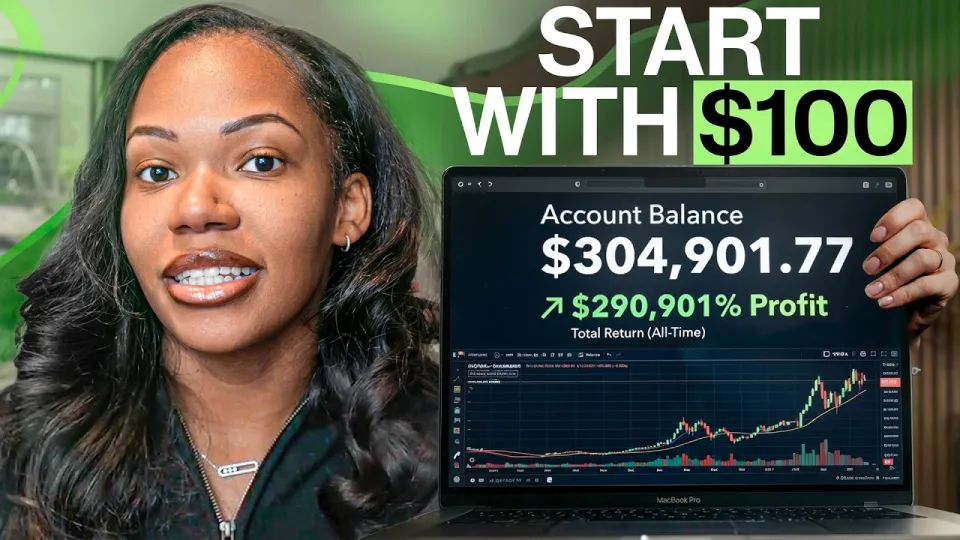
Video: How To Start Trading As A Beginner In 2026 (Step-by-Step)
Essential Tools for Beginner Traders
Reliable platforms are crucial for trading success. Sierra Aaliyah uses Webull as her brokerage, which offers commission-free trading and a user-friendly interface suitable for beginners. For charting and technical analysis, TradingView is recommended due to its intuitive tools and community-shared insights. Both platforms provide resources to learn reading candlestick patterns and market structure, which are vital skills for timing trades and understanding market behavior.
The Three Concepts You Must Master Before Trading Live
- Risk Management: Never risk more than a small percentage of your capital on a single trade. Use stop-loss orders to protect yourself from large losses.
- Market Structure: Learn how to identify trends, support, and resistance levels to make informed entries and exits.
- Trading Psychology: Control emotions like fear and greed, which can lead to impulsive decisions. Patience and discipline are your best allies.
Mastering these concepts lowers the chance of failure and helps you build consistency.
Why Beginners Quit and How to Stay Consistent
Many traders quit within the first two months because they expect fast profits or don’t manage losses properly. Trading requires time to develop skills and the ability to handle drawdowns without panic. Starting with paper trading (simulated trading) is essential; if you can’t double $1,000 on paper, it’s unlikely you’ll succeed with real money. Gradually transition to live trading with small amounts and keep a journal to track your progress and mistakes.
Common Beginner Questions and Real Experiences
Many beginners struggle with interpreting charts and feel overwhelmed by losses early on. It’s normal to experience setbacks and doubts. Consistent profitability is achievable but demands ongoing learning, patience, and sometimes mentorship. Avoid chasing quick fixes or high-risk trades. Focus on building a strong foundation and use community support to stay motivated.
Useful Links
- Join Sierra Aaliyah’s trading community for mentorship and resources: https://whop.com/c/crystal-academy/youtube
- Sign up for Webull and receive free stocks: https://www.webull.com/k/SierraUSA
- Follow Sierra on Instagram: https://www.instagram.com/sierra.aaliyah/
- Watch educational videos like how to read candlesticks: https://www.youtube.com/watch?v=aXQ6pb0s9EU
Conclusion
Starting trading as a beginner is fully achievable with the right guidance, realistic goals, and disciplined practice. Sierra Aaliyah’s approach breaks down complex concepts into simple, actionable steps that anyone can follow. Remember to start small, practice on paper, master risk management, and use quality tools like Webull and TradingView. With patience and persistence, trading can become a valuable skill and potential income source. For further learning and community support, consider joining Sierra Aaliyah’s Crystal Academy here.
Source: How To Start Trading As A Beginner In 2026 (Step-by-Step) · Markdown version
Questions & answers
Is it necessary to have a large amount of money to start trading?
No, you don't need a large capital to start trading. It's recommended to start with $300 to $2,000 to manage risk effectively and learn without significant financial pressure.
What is the difference between calls and puts in options trading?
A call option gives the right to buy an asset at a specific price before expiration, while a put option gives the right to sell. Understanding these basics helps beginners choose strategies suited to their goals.
Why do many beginners quit trading within the first two months?
Most beginners quit because they expect quick profits, face losses without proper risk management, or get overwhelmed by complex information. Starting with paper trading and mastering fundamentals can help avoid this.
Can consistent profits be achieved by beginners in trading?
Yes, consistent profitability is possible but requires patience, education, discipline, and realistic expectations. Many traders take months or years to become consistently profitable.